Made by Hand · Lunch
Sauerkraut Grilled Cheese with Roasted Peppers (Crispy & Melty!)
Gooey cheese, tangy sauerkraut, and smoky roasted peppers in one crispy grilled cheese. Ready in 15 minutes — this is your new favorite lunch.

By Stephanie
Tested in my home kitchen · Updated Feb 2026

Prep
15 min
Cook
10 min
Makes
2
Difficulty
Easy
A note from my kitchen
Why this recipe stays in rotation
This sandwich happened by accident on a Friday when I had a jar of homemade sauerkraut in the fridge and a block of gruyère that needed using up. I'd been eating too many boring lunches and just started assembling things that sounded good together. Roasted peppers from a jar. The kraut. Gruyère because it melts like a dream. Sourdough because it crisps better than anything else.
The first bite was one of those moments where you stop and just stand there. The kind of lunch that feels like you accidentally made something worth serving to guests.
Why it works
What makes this recipe worth keeping
Ready in 15 minutes flat
this is real weekday lunch energy, no shortcuts on flavor
The ultimate flavor combination
tangy sauerkraut + smoky roasted peppers + melty cheese = sandwich perfection
Gut-friendly comfort food
sauerkraut brings live probiotics to what's otherwise the world's coziest sandwich
Easy to customize
works with whatever cheese you have on hand: Swiss, provolone, sharp cheddar, or gruyère all shine here
The recipe
Sauerkraut Grilled Cheese with Roasted Peppers (Crispy & Melty!)
Gooey cheese, tangy sauerkraut, and smoky roasted peppers in one crispy grilled cheese. Ready in 15 minutes — this is your new favorite lunch.
Ingredients
- 4 slices sourdough bread (1/2 inch thick)
- 4 tablespoons butter, softened
- 1/2 cup sauerkraut, drained and squeezed dry
- 1 large roasted red pepper (jarred or homemade)
- 4 oz gruyere cheese, thinly sliced
- 2 oz sharp cheddar, thinly sliced
- 2 tablespoons whole grain mustard
- 1 tablespoon mayonnaise
- Fresh thyme leaves (optional)
- Cracked black pepper
Method
- 1
Mix mustard and mayonnaise in a small bowl. Set aside.
- 2
Butter one side of each bread slice. Place two slices butter-side down in a cold skillet.
- 3
Spread mustard mixture on the unbuttered sides of bread in skillet.
- 4
Layer half the gruyere on each slice, followed by roasted pepper strips (patted dry and torn into pieces).
- 5
Distribute sauerkraut evenly over peppers, making sure it's well-drained to prevent soggy sandwiches.
- 6
Top with cheddar cheese and fresh thyme if using. Place remaining bread slices on top, butter-side up.
- 7
Turn heat to medium-low. Cook slowly for 4-5 minutes until bottom is golden brown.
- 8
Flip carefully and cook another 4-5 minutes until cheese is fully melted and bread is golden.
- 9
Let rest 1 minute before cutting diagonally. Serve immediately.
Stephanie’s notes
The key is cooking low and slow to ensure the cheese melts completely before the bread burns. Starting with a cold pan helps achieve even browning.
Notes from testing
The details that make the difference
Use a cast iron skillet for even heat and a proper crust.
A thin pan creates hot spots that burn the bread before the cheese melts. A preheated cast iron skillet at medium-low gives you controlled, even heat and a crust that crackles when you press it.
Squeeze the sauerkraut dry before adding it.
Wet kraut steams the bread from the inside instead of letting it toast. Use your hand or a kitchen towel to wring out as much liquid as possible before layering it on the sandwich. The flavor stays; the sogginess doesn't.
Butter the bread, not the pan. Spread softened butter directly on the exterior face of each bread slice. This gives you complete, even coverage all the way to the edges
no dry patches, no butter pooling in the center.
Cover the pan for the first 2 minutes.
Placing a lid or another skillet on top traps steam and melts the cheese before the bread over-browns. Remove the lid for the last minute on each side to finish crisping.
Let the gruyère come to room temperature before building the sandwich. Cold cheese takes longer to melt, which means the bread can brown too fast. Slice the cheese 15–20 minutes before cooking
it melts faster and more evenly.
Use it well
Make it yours, store it well
Variations
Cheddar and fermented jalapeño version: Swap gruyère for sharp cheddar and replace the sauerkraut with lacto-fermented jalapeños (squeezed dry). The cheddar is sharper and more familiar; the jalapeños add heat alongside the tang. Use whole wheat sourdough for extra heartiness.
Brie and apple with kraut: Replace gruyère with brie (rind and all), add thin-sliced apple in place of the roasted peppers, and keep the sauerkraut. The sweet apple + funky brie + tangy kraut combination sounds unconventional but tastes like a fancy bistro sandwich.
Open-face broiler version: Build the sandwich open-face on thick sourdough slices, pile on the toppings, and broil for 3–4 minutes until the cheese is bubbling and the edges of the bread are charred. Different texture — crunchier, more bruschetta-like — but just as good.
Storage and reheating
Grilled cheese is best eaten immediately. If you must store it, wrap in foil and refrigerate for up to 1 day. Reheat in a dry skillet over medium-low heat (not the microwave — it makes the bread rubbery). Press down with a spatula while reheating. The sauerkraut filling keeps in the fridge separately for weeks; assemble fresh sandwiches as needed rather than storing assembled.
Serving ideas
Serve alongside a simple green salad dressed with a sharp vinaigrette (the acidity echoes the kraut). A bowl of tomato soup is the obvious pairing and it's obvious for a reason — the kraut and roasted peppers hold their own against the richness of the soup. For a more substantial lunch, add a soft-boiled egg on the side. Cut the sandwich into thirds and serve as an appetizer alongside the roasted tomatillo salsa for dipping — the salsa against the kraut tang is genuinely special. Excellent with a cold sparkling water or, if it's Friday, a cold beer.
Reader questions
A few things you may be wondering
What kind of bread works best?
A sturdy, thick-sliced sourdough or rye is ideal — it can handle the fillings without getting soggy and develops a beautiful golden crust. Sandwich bread works fine but tends to be softer. Avoid anything too thin or it'll tear.
Does cooking sauerkraut kill the probiotics?
Yes — heat above about 115°F kills live cultures. If you want to preserve the probiotic benefits, you can stir the sauerkraut in after cooking (as a topping) or just enjoy the flavor and reach for raw kraut as a side. It still tastes incredible either way.
Can I use jarred roasted peppers?
Absolutely. Jarred roasted red peppers are a great pantry shortcut — just drain and pat them dry before adding so they don't make the bread soggy. Roasting your own takes about 20 minutes under the broiler and has a deeper char flavor, but jarred is perfectly valid.
What cheese melts the best?
Swiss and provolone melt beautifully and don't overpower the sauerkraut. Gruyère is the upgrade choice — it melts smoothly and has a nutty richness that's outstanding with the tangy kraut. Sharp cheddar works too but can be oilier when melted.
How do I get the bread perfectly golden without burning it?
Use medium-low heat and cover the pan with a lid for 1–2 minutes after you flip. This traps steam to melt the cheese all the way through while giving the outside time to brown evenly. Patience beats high heat every time.
Can I make this dairy-free?
Yes — use your favorite dairy-free cheese shreds and vegan butter or a light olive oil spread. The sauerkraut and peppers still do all the heavy lifting flavor-wise.
Keep learning
Kitchen Journal
The story behind the everyday work
Food history, useful technique, and honest notes from the parts that did not go according to plan.
Visit the Kitchen JournalFrom Stephanie
“A recipe gets useful when it tells you what to notice—not only what to do.”Why I cook this way
What to make next
Keep cooking
Made by Hand
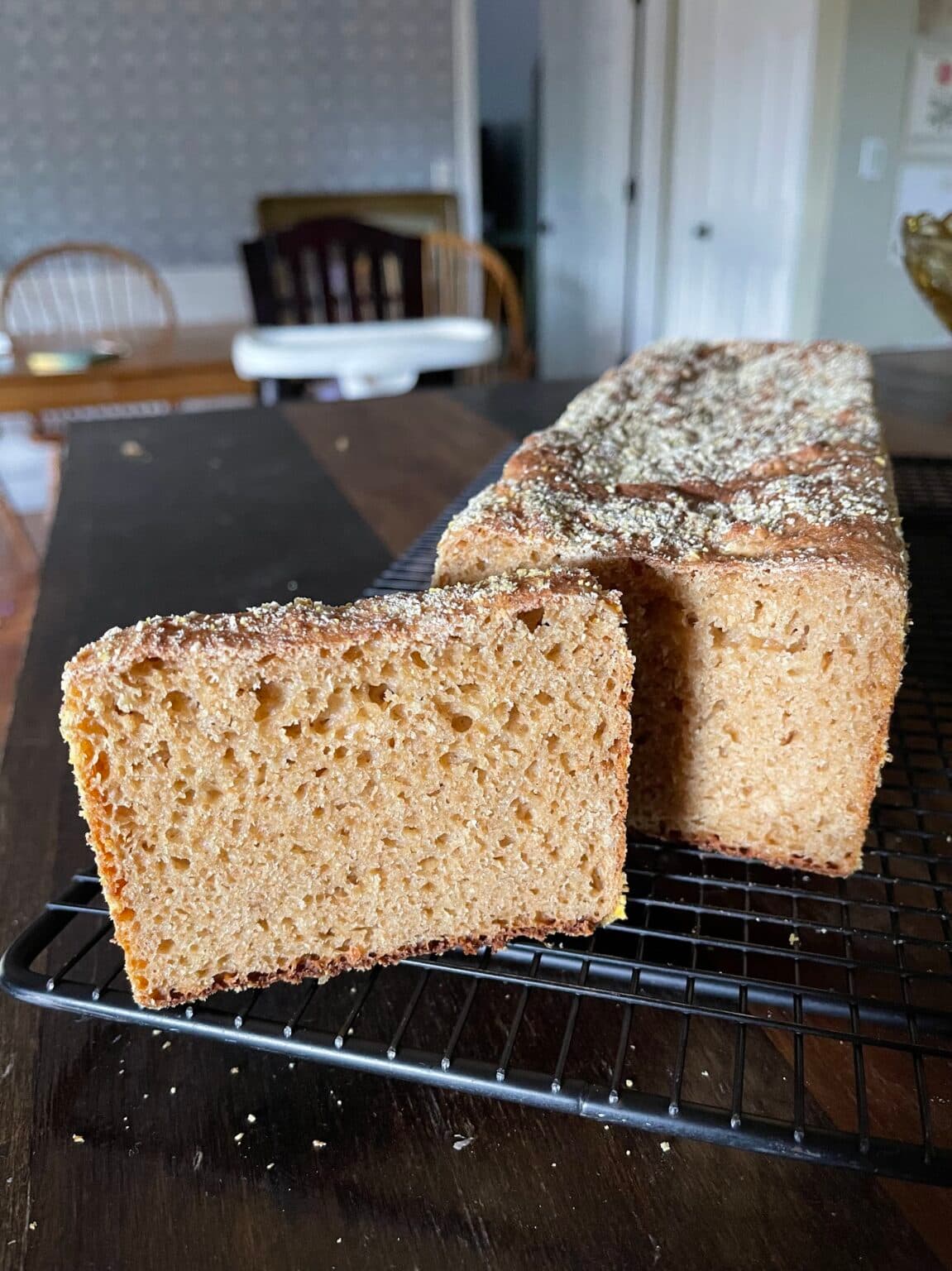
Fresh-Milled Wheat Bread
A quick and nutritious whole wheat bread made with freshly milled wheat berries. This easy batter bread requires no kneading and bakes up with a beautiful cornmeal crust.
Make this next
Made by Hand
Easy Fermented Jalapeños Recipe (Beginner's Guide to Lacto-Fermentation)
Tangy, probiotic-rich fermented jalapeños with just salt, water, and time. No special gear needed. This beginner guide makes it completely foolproof.
Make this nextStay for the next experiment
A good recipe, a song, and something worth noticing.
Every other week, I’ll send one useful kitchen idea, one honest note from the process, and whatever is taking shape in the music room.
Around the table
Questions, notes, and kitchen discoveries
Tried this recipe, changed something, or ran into trouble? Share what happened so we can learn from one another.