Made by Hand · Desserts
How to Make Brown Sugar (Perfect Brown Sugar Substitute in 2 Minutes)
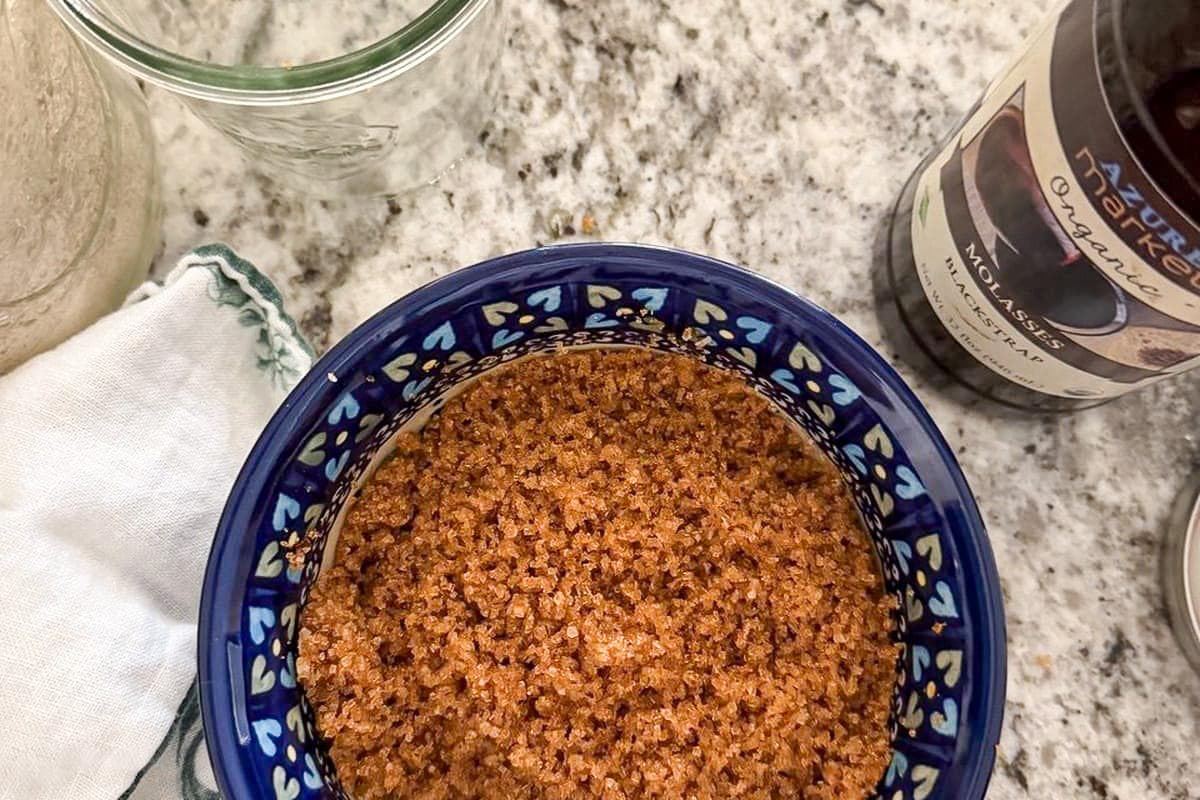
Ran out of brown sugar? Make your own in 2 minutes with just 2 ingredients — works perfectly in any recipe. Same taste, same texture. Save this!

By Stephanie
Tested in my home kitchen · Updated Feb 2026
Prep
2 min
Cook
0 min
Makes
1
Difficulty
Easy
A note from my kitchen
Why this recipe stays in rotation
Two ingredients. Two minutes. I had brown sugar.
And then — this is the part that got me — I learned what brown sugar actually is . It's just white sugar with molasses mixed back in. That's the whole secret. Commercially, they refine all the molasses out of raw cane sugar to make white sugar, then add a controlled amount back in to produce brown sugar. The entire "brown sugar" product is just a recombining of things that were always the same ingredient.
Why it works
What makes this recipe worth keeping
Two ingredients, two minutes
white sugar + molasses, stir, done. You will never run out at a critical baking moment again
Exact same taste and texture as store-bought
it's not a compromise or a workaround, it is brown sugar
Infinitely customizable
more molasses = darker, richer sugar (just like the difference between light and dark brown sugar at the store)
Zero waste, zero markup
molasses is inexpensive and shelf-stable, and you're literally making the premium version at home
The recipe
How to Make Brown Sugar (Perfect Brown Sugar Substitute in 2 Minutes)
Ran out of brown sugar? Make your own in 2 minutes with just 2 ingredients — works perfectly in any recipe. Same taste, same texture. Save this!
Ingredients
- 1 cup granulated white sugar
- 1–2 tablespoons unsulfured molasses (1 Tbsp for light, 2 Tbsp for dark)
Method
- 1
Add 1 cup of granulated white sugar to a medium bowl.
- 2
Add 1 tablespoon of molasses for light brown sugar, or 2 tablespoons for dark brown sugar.
- 3
Mix with a fork, mashing and stirring until the molasses is completely incorporated and the sugar is evenly colored. This takes about 2 minutes by hand.
- 4
Use immediately or store in an airtight container. Homemade brown sugar keeps indefinitely — just like store-bought.
Stephanie’s notes
If your brown sugar dries out and hardens, place a slice of bread or a damp paper towel in the container overnight. It will be soft again by morning. You can also use a stand mixer with the paddle attachment for larger batches — it takes about 30 seconds.
Notes from testing
The details that make the difference
Use a fork for small batches; a food processor for big ones.
For a single cup, a fork and two minutes of mashing is all you need. For 4+ cups at once, pulse it in a food processor 8–10 times until the color is uniform. Don't over-process or you'll get fine sugar dust everywhere.
Mix until the color is completely even.
Streaks of white sugar mixed with dark patches means uneven molasses distribution, which can affect how your baked goods caramelize. Take the extra minute to get it fully uniform.
Use blackstrap vs.
regular molasses intentionally. Blackstrap is more bitter, more mineral-y, and has a stronger flavor. Regular unsulfured molasses (like Grandma's Original) is sweeter and more caramel-forward. For baking, regular molasses gives you what you're used to. Use blackstrap only if you want a darker, more robust flavor (it's excellent in gingerbread and BBQ sauce).
Try turbinado sugar for a more complex result.
Raw turbinado sugar already has trace molasses flavor, so when you add molasses to it, the end result is richer and more complex than white sugar + molasses. Not necessary, but worth trying.
Keep air away from it.
Brown sugar dries out faster without commercial anti-caking agents. Store in a tightly sealed container, and use a terracotta brown sugar saver disc (soaked in water and placed in the container) to keep it soft for weeks.
Use it well
Make it yours, store it well
Variations
Dark brown sugar: Use 2 tablespoons of molasses per cup of sugar instead of 1. Deeper, more toffee-like flavor — better for gingerbread, baked beans, and barbecue sauces where you want that complexity.
Turbinado brown sugar: Swap white granulated sugar for turbinado (raw) sugar. It already carries faint molasses notes, so the result is more nuanced — almost like a specialty artisan sugar. Great in chocolate chip cookies or as a finishing sugar on top of baked goods.
Coconut sugar substitute: For a lower-glycemic option, skip the whole process and use coconut sugar directly in recipes that call for brown sugar — it's already a 1:1 swap with a similar depth of flavor, though it's drier and less sticky than traditional brown sugar.
Storage and reheating
Store in an airtight container — a zip-top bag with the air pressed out, or a sealed glass jar works perfectly. At room temperature, it keeps indefinitely as long as it stays sealed. If it dries out and hardens, place a damp paper towel on top (don't touch the sugar), seal the container, and check after 24 hours — it will soften back up. A terracotta brown sugar saver disc dropped into the container prevents hardening in the first place and is worth $5 for the pantry.
Serving ideas
Beyond baking, homemade brown sugar is excellent in your morning coffee or oatmeal — the fresh molasses flavor comes through in a way commercial brown sugar doesn't. Use dark brown sugar in a simple BBQ dry rub (2 parts brown sugar : 1 part smoked paprika : 1 part salt : ½ part black pepper) for ribs or chicken thighs. Stir into whipped butter with cinnamon for brown sugar cinnamon butter on toast or pancakes. Dissolve in warm water to make a simple molasses syrup for cocktails. Or just put it in your cookie dough — that's why it exists.
Reader questions
A few things you may be wondering
What kind of molasses should I use?
Unsulfured light molasses (like Grandma's Original) is the standard choice and tastes exactly like commercial brown sugar. For dark brown sugar (richer, more intense molasses flavor), use dark molasses or increase the ratio. Blackstrap molasses is very strong and bitter — not recommended here unless you specifically want that bold flavor.
What's the ratio of sugar to molasses?
For light brown sugar: 1 cup white granulated sugar + 1 tablespoon molasses. For dark brown sugar: 1 cup white granulated sugar + 2 tablespoons molasses. Mix thoroughly until evenly combined.
Will it work exactly like store-bought brown sugar in recipes?
Yes, 1:1 in any recipe — cookies, cakes, sauces, BBQ rubs, granola, overnight oats, everything. It behaves identically because commercially made brown sugar is also just white sugar + molasses (this is genuinely how it's made).
How do I store it?
Store in an airtight container at room temperature. It will harden over time just like commercial brown sugar. If it gets hard, place a slice of bread or a terra cotta brown sugar keeper in the container overnight — the moisture will soften it right up.
Can I use raw cane sugar or coconut sugar instead?
Raw cane sugar (turbinado) has some natural molasses character already and works as a partial substitute. Coconut sugar behaves differently and has a distinct caramel flavor — it won't produce the same result. For classic brown sugar flavor, white granulated sugar + molasses is the match.
What if I don't have molasses — can I substitute?
Maple syrup can approximate the flavor in a pinch (it won't be identical but close enough in many recipes). Date syrup is another option. Nothing is a perfect 1:1 swap for molasses in this context — if you cook and bake regularly, keeping a bottle of molasses in the pantry is worth it.
Keep learning
From the Pantry’s Past
Was brown sugar really brown first?
Follow cane juice from naturally golden crystals to refined white sugar—and learn why today’s soft brown sugar often reverses that process.
Read the brown-sugar historyFrom Stephanie
“A recipe gets useful when it tells you what to notice—not only what to do.”Why I cook this way
What to make next
Keep cooking
Made by Hand
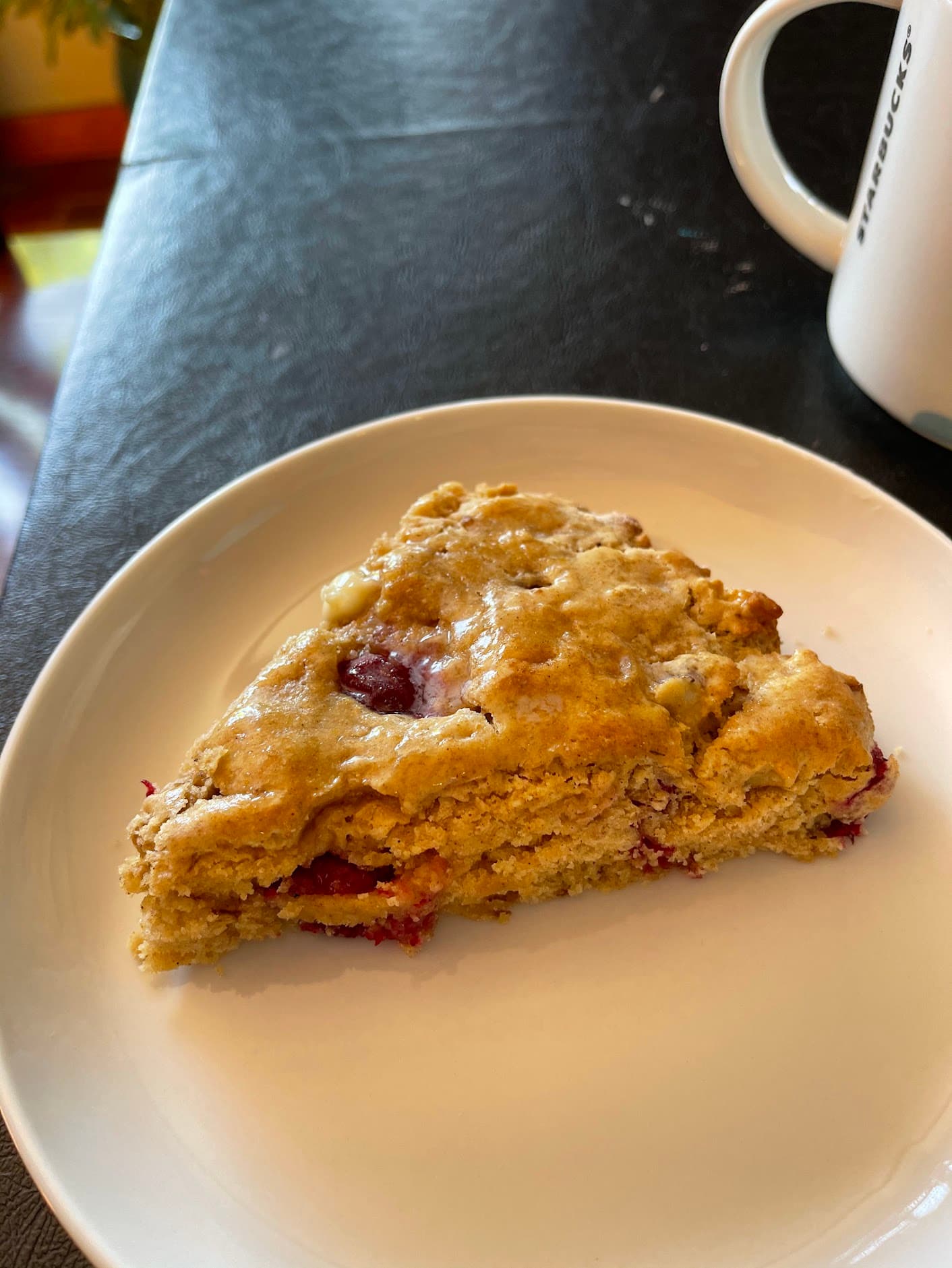
Cranberry Orange Scones
Buttery, tender scones studded with tart cranberries and brightened with fresh orange zest. Perfect for breakfast, brunch, or afternoon tea.
Make this next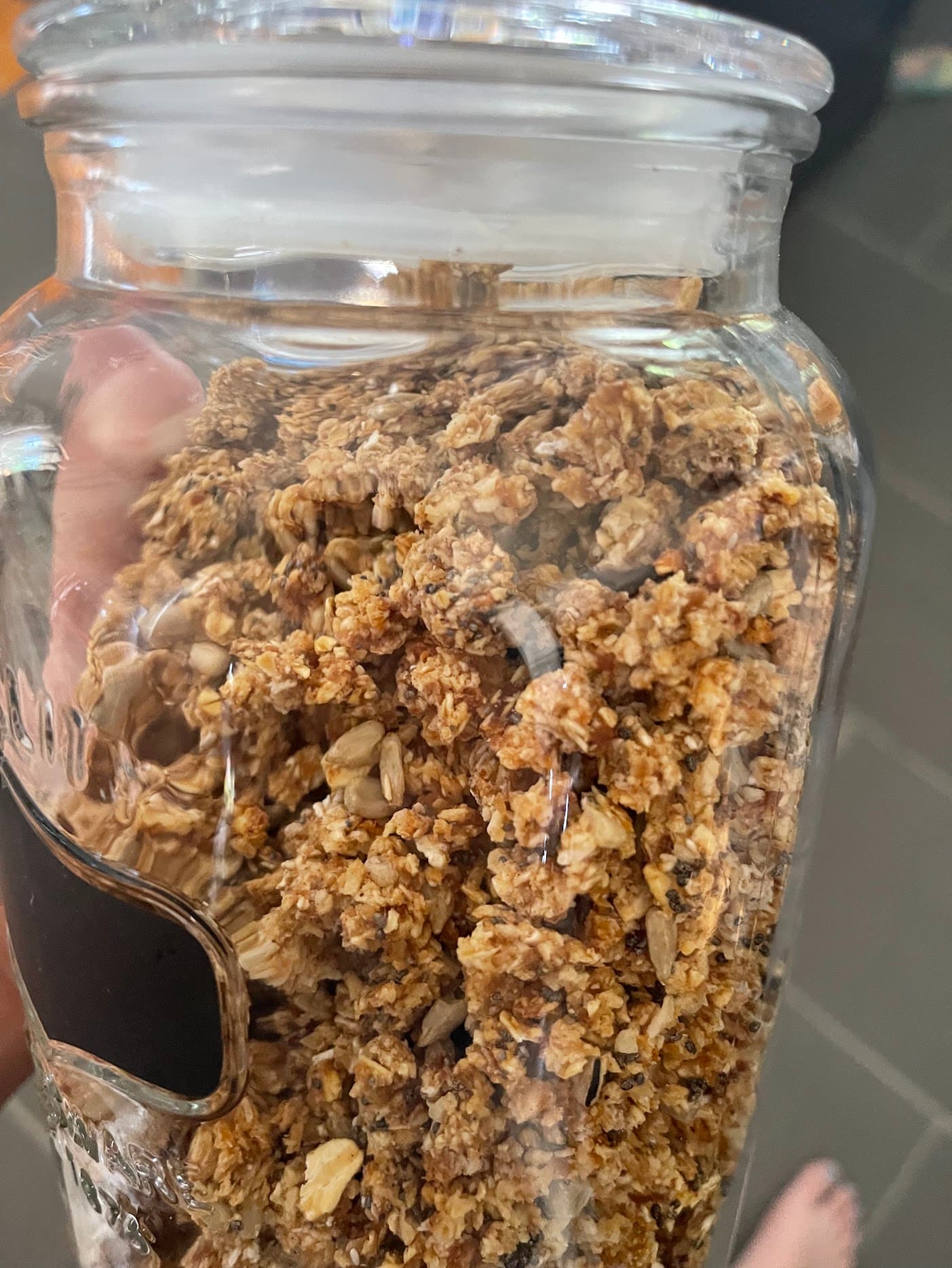
Made by Hand
Homemade Oil-Free Granola
Crunchy, clustered granola made without oil but full of flavor. Naturally sweetened and perfect for breakfast bowls, yogurt parfaits, or snacking.
Make this nextStay for the next experiment
A good recipe, a song, and something worth noticing.
Every other week, I’ll send one useful kitchen idea, one honest note from the process, and whatever is taking shape in the music room.
Around the table
Questions, notes, and kitchen discoveries
Tried this recipe, changed something, or ran into trouble? Share what happened so we can learn from one another.